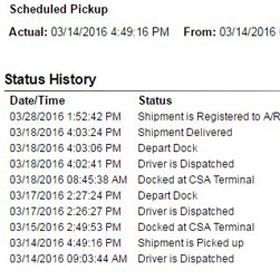
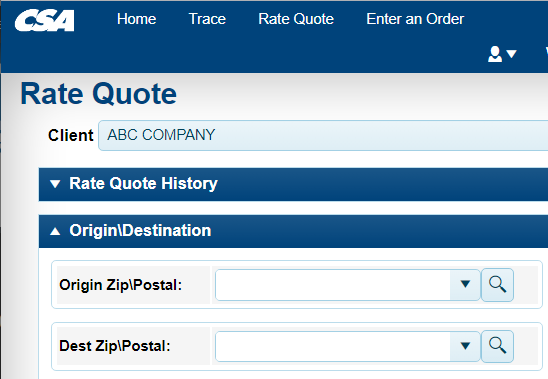
The documents here are mostly PDF forms for download. If you are looking for POD's or other scanned documents related to your shipment please request access to CSA's online portal here.
For best results with the PDF forms in the downloads tab please first save the file and then open it with the latest version of Adobe Reader.
These files have been designed as fillable forms where data can be entered and, if necessary partially completed and saved, to reuse later on a similar shipment. For example if you have regular orders between the same locations you can download a Bill of Lading and save it with all the required location information.
To take advantage of this functionality please right click the blue "download" text and save the file to your computer.
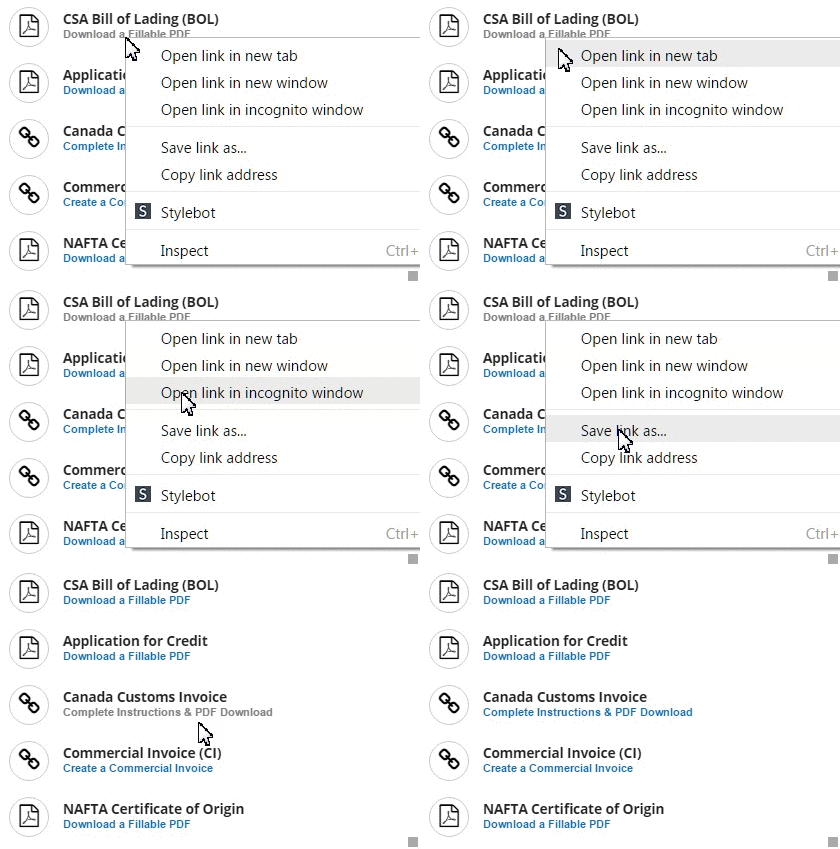
Note: If you are attempting to view any of these documents in your browser's PDF viewer (by clicking on them directly), you may not be able to make use the fillable form fields and the save functionality. Check if your browser supports the adobe plugin here and follow the steps to add the adobe plugin to your browser. If you can't get the in-browser forms to work just right click and download the PDF and open with Adobe Reader.
Please contact us if you have additional questions or feedback.